by Bibhushan Khadka
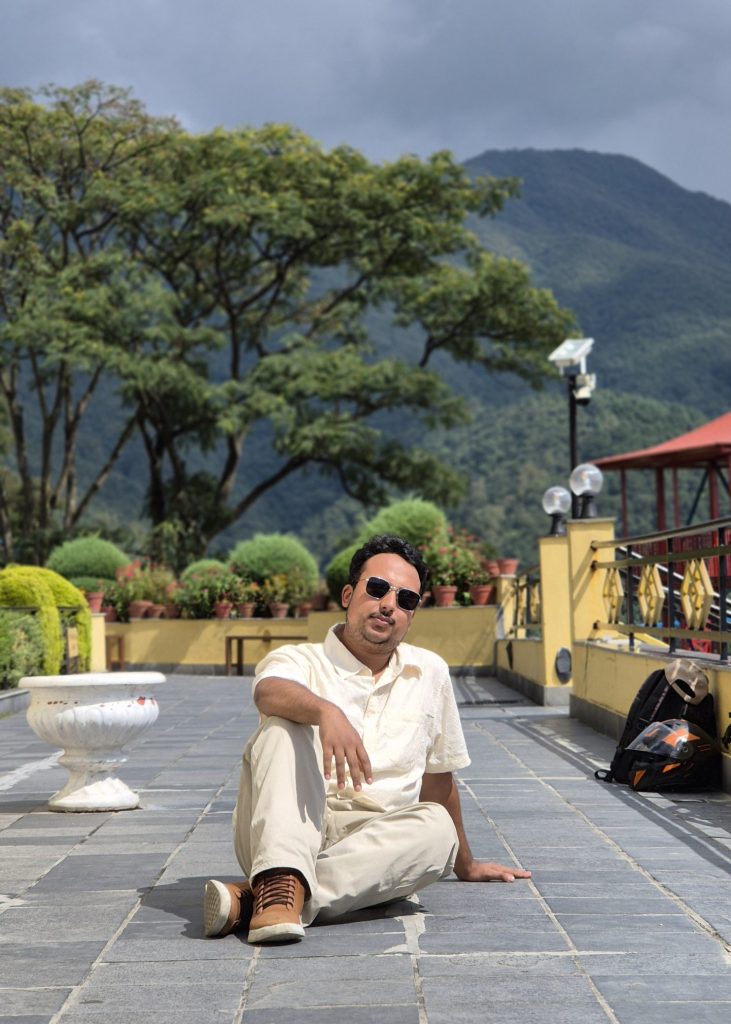
When someone reads one of my poems and asks me what it means, I always give the same answer: what you felt reading it — that is what it means. I never explain my own work. Not because I am being evasive, but because I genuinely believe that the moment a poem leaves the poet’s hands, it belongs entirely to the reader. A poem is not a message to be decoded. It is an experience to be felt. Whatever the reader or listener understands, whatever stirs inside them — that is the poem. That has always been my philosophy, and it is also the reason I became a poet in the first place.
I discovered poetry before I even knew what it was. In seventh or eighth grade, I wrote something — a few lines, a feeling I couldn’t quite squeeze into ordinary words — and nervously showed it to my father. He is a poet himself, so I suppose the nervousness was warranted. He looked at it, looked at me, and said simply: it’s a poem. That was it. I haven’t stopped writing since.
As I grew as a poet, I made a decision that was both conscious and deliberate — I would write exclusively in English and Hindi. This was not a small choice for someone whose mother tongue is Nepali. But my reasoning was clear: I want the maximum number of people to feel what I express. In music and painting, the origin of the artist is almost irrelevant — a melody crosses borders without a visa, a painting needs no translation. But poetry lives and breathes inside language. It cannot travel without it. And so, if I want my words to reach the world, I must write in languages that travel.
As I grew as a poet, I made a decision that was both conscious and deliberate — I would write exclusively in English and Hindi. This was not a small choice for someone whose mother tongue is Nepali. But my reasoning was clear: I want the maximum number of people to feel what I express. In music and painting, the origin of the artist is almost irrelevant — a melody crosses borders without a visa, a painting needs no translation. But poetry lives and breathes inside language. It cannot travel without it. And so, if I want my words to reach the world, I must write in languages that travel.
This decision, of course, comes with a cost. It means my own people often cannot fully access what I write. There is something quietly painful about that — to be a poet whose neighbors cannot always read his work. And yet I have not given up on them, nor they on me. I believe that good poetry, wherever it lands, carries something universal. The language may change, but the feeling does not.
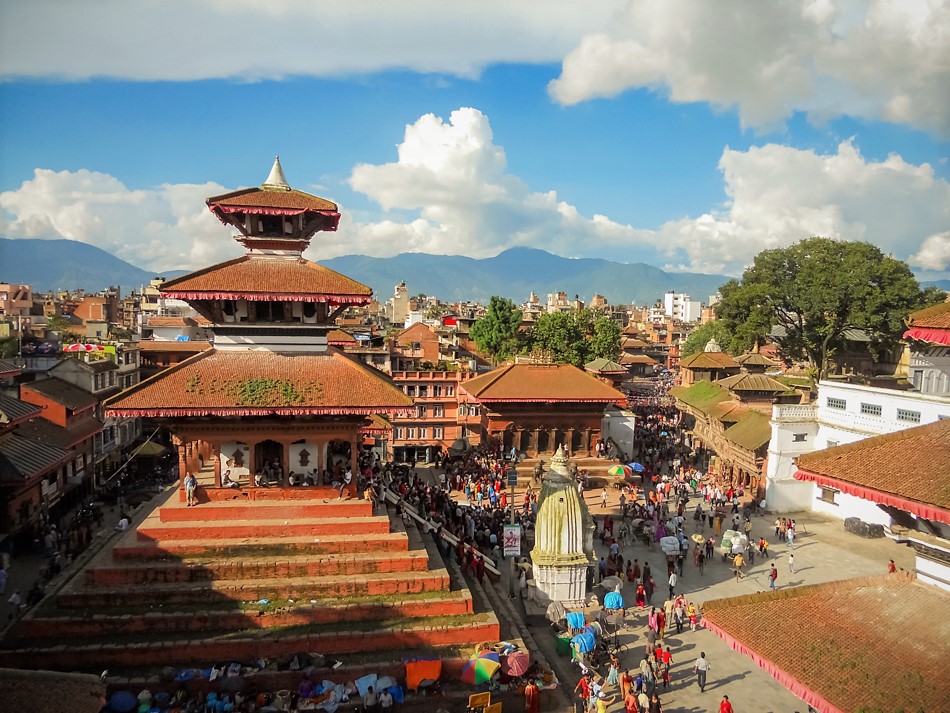
As for the poetry landscape in Nepal — opportunities are few, and the audience, while passionate, is small. What Nepali poetry I have encountered tends to carry a musical, song-like quality — verse that feels meant to be heard aloud rather than read silently on a page. And beneath all of it runs a deep mythological current. Nepal is a rare spiritual crossroads where Hindu, Buddhist, and indigenous traditions interweave — a land of countless gods, fierce spirits, and creatures like the Yeti and the Kumari. Many Nepali poets draw from this well, weaving mythological figures into their verse as symbols of the present world. I, however, do not — at least not yet. My poetry comes from what I see, hear, and feel in everyday life. Perhaps one day the gods and monsters of my homeland will find their way into my lines. For now, they watch from a respectful distance. But I want to be careful here, because the smallness of opportunity is not entirely Nepal’s story to carry alone.
Poetry is losing its footing everywhere in the world. We live in an age of shrinking attention, where people consume content in flashes of two or three seconds, chasing constant stimulation. Poetry asks something entirely different. It asks you to stop. To sit still. To think slowly. In a world racing toward the next notification, that is a difficult ask of anyone. And yet — I remain stubbornly hopeful. Because I believe poetry is the one art form truly built for eternity. Platforms disappear. Trends fade. But a good poem outlives all of it. Long after everything else is gone, the poem remains.
That is why I keep writing — from Nepal, in English and Hindi, for whoever finds their own meaning in the words. I write what I hear, what I see, and what I feel. I release it into the world. And then it is no longer mine. It belongs to you — and whatever you feel it means, that is exactly what it means.