
by Bibhushan Khadka
There is a particular itch every writer knows, whether they admit it aloud or not: the wish for the work to be seen. Not merely read, but recognized — held up for a moment and told, yes, this mattered, this landed, this was worth the hours you gave it.
It's easy to dismiss that itch as vanity. I don't think that's fair to it. At its best, the wish to be recognized isn't about ego — it's fuel. It's the thing that gets a poet to write one more draft instead of stopping at "good enough," to send the poem out into the world instead of letting it sit quietly in a folder, to keep going after the fifth rejection instead of the fourth. An award, seen this way, isn't a trophy for arriving. It's an invitation to keep walking.
That's the humble purpose behind the awards the Science Fiction & Fantasy Poetry Association gives out each year. They exist to pull the best work out of poets who might not otherwise push themselves that far, to hand out recognition where it's earned, and to hand out something even more valuable afterward — the motivation to write the next poem. The SFPA runs five such honors, each aimed at a different shape of achievement, from a single ten-line poem to a lifetime of quiet, unpaid service. Here's what each one actually does, how it works, and where things stand this year.
Rhysling Award — for the single poem, long or short
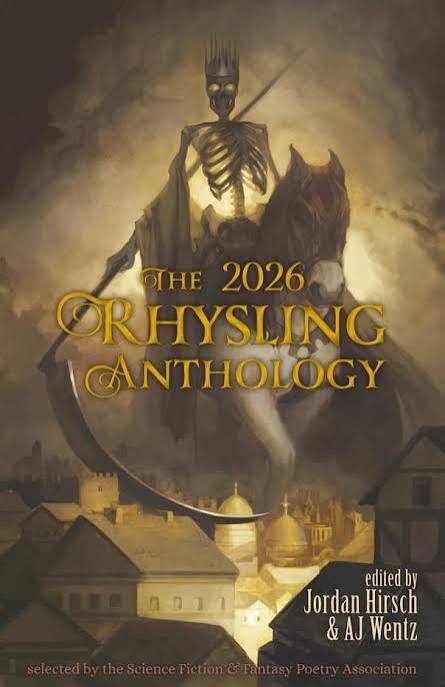
The oldest of SFPA's honors, running since 1978, the same year the SFPA itself was founded. It's named for the blind wandering bard of Robert A. Heinlein's story "The Green Hills of Earth," and it recognizes the best speculative poem published the previous year. Winning poems go on to appear in the Nebula Awards anthology alongside the year's best speculative fiction — good company for a poem to keep.
- Categories: Best Short Poem (49 lines or fewer) and Best Long Poem (50 lines or more)
- How it works: any SFPA member may nominate a poem; a jury narrows the nominees down to a set of finalists, who are compiled into the annual Rhysling Anthology for a final membership vote
- This year: from a field of 78 short poems and 54 long poem nominations — 50 short poem and 25 long poem finalists make the cut each year— with voting open now through September 15
Dwarf Stars Award — for the poem that almost got missed
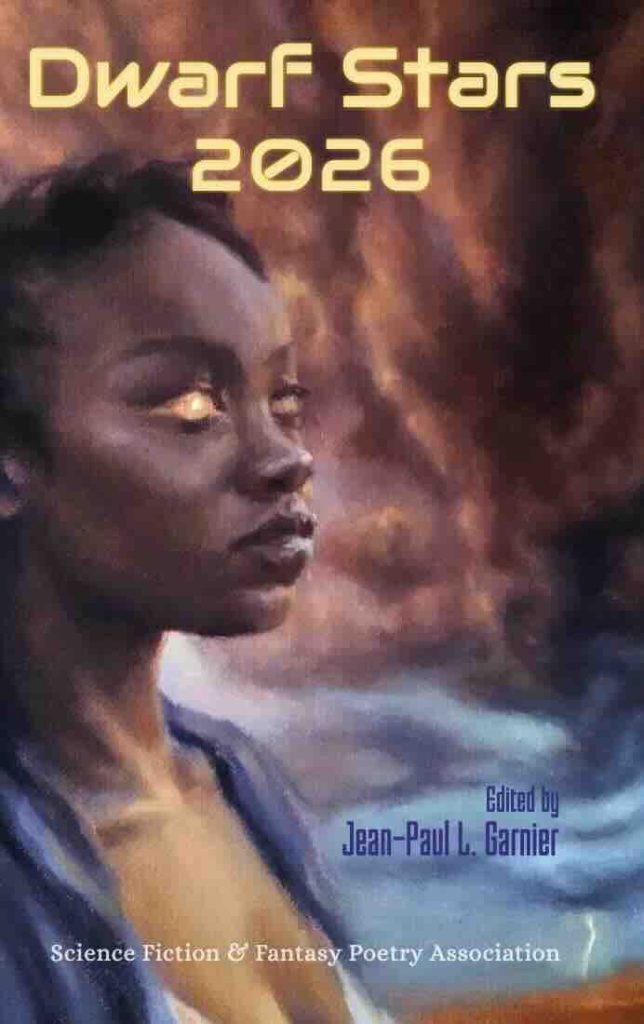
This one was built to solve a specific problem: extraordinary short-short poems — scifaiku, tanka, cinquains, and other tiny forms — kept getting overlooked by the Rhysling process, which tends to favor poems with room to build. So the SFPA gave them a home of their own.
- Eligibility: poems of ten lines or fewer (or up to 100 words for prose poems), first published the previous calendar year
- How it works: submissions open each April 1st; anyone may submit their own poem or nominate someone else's, with no limit on how many can be sent in, though the editors choose what makes the final anthology; only SFPA members vote for the winner
- Why it matters: it insists that ten lines, or fewer, can carry every bit as much weight as fifty
Elgin Award — for the book, not just the poem
Where the Rhysling and Dwarf Stars celebrate individual poems, the Elgin Award — named
for SFPA founder Suzette Haden Elgin — honors entire collections.
- Categories: Chapbook (10–39 pages of poetry) and Book (40 or more pages)
- Eligibility: published within the preceding two years; print, e-books and self-published all qualify, translations are welcome, but anthologies and books mixing fiction with poetry are not eligible, and more than half the poems must be unmistakably speculative
- How it works: any SFPA member may nominate a book (the author doesn't need to be a member); nominations open March 15 and close May 31, with the membership vote running July 1 through September 15
Grand Master — for the poet, not just the book
Some honors aren't about a single poem or a single year at all — they're about a whole career. The Grand Master designation is the SFPA's answer to that.
- Eligibility: a living poet, actively publishing for at least twenty years, whose body of work reflects the highest artistic goals of the genre
- How it works: the call for nominations goes out in Star*Line alongside the Rhysling winner announcement; any member may propose a candidate directly to the SFPA President, nominations are collected for about two months, and a shortlist of two to five names goes before the membership as a final ballot
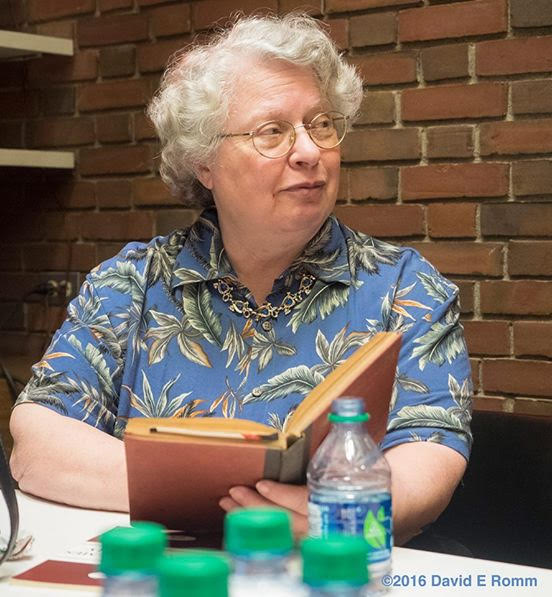
- This year: the honor went to Ruth Berman, named the SFPA's 13th Grand Master since 1999
President's Lifetime Service Award — for the people who kept the lights on
If the Grand Master award honors the poetry itself, this one, created by past president, Colleen Anderson, honors something just as vital and far less visible: the years of unpaid, unglamorous work that keep an organization like the SFPA running at all.
- What it's for: given to an individual who has furthered the knowledge, appreciation, and acceptance of the speculative poetry genre over the years, and who has served the SFPA in a significant volunteer capacity
- Recent recipients: Deborah P Kolodji (2023), past president and creator of the Dwarf Stars Award; F.J. Bergmann (2024), former editor of Star*Line, layout and design of the publications, former webmaster, past vice-president, and past Rhysling and Elgin Awards chair and all around keeper of association knowledge; and David C. Kopaska-Merkel (2025), past president, past Star*Line editor, past Rhysling, Dwarf Stars Award chair multiple times over — honored for years of building community within the SFPA
- What it says: talent gets you noticed, but showing up for others, year after year, is its own kind of art
The Door Is Open
Read all five of these awards together, and a pattern emerges. The SFPA has built recognition for nearly every shape a devotion to speculative poetry can take — the flash of a ten-line poem, the architecture of a full book, the patience of a decades-long career, the invisible labor of service. None of it is reserved for the already-famous. Every one of these awards started as a nomination from an ordinary member who thought a poem, a book, or a person deserved to be seen. While only members can vote in these awards, anyone is welcome to procure a copy of the publications to read widely in the field. If you are not a member and have gotten this far, why not? The SFPA is open to lovers and appreciators of poetry as well as poets worldwide. There are no entry requirements for membership.
That's really the whole point. The opportunities are sitting right here, wide open, for anyone willing to do the work and then have the nerve to put it forward. Nobody arrives at Grand Master status without first submitting a poem nobody had heard of yet. The poets and volunteers celebrated this year were, at some point, simply people who kept writing, kept helping, and kept showing up long enough to be noticed. Sooner or later, that's how it goes for everyone who stays the course.
If there's an itch in you to be seen, this is one of the more generous places to scratch it. Nominate the poem you loved. Submit the ten lines you almost didn't send. Put a book forward. And see where it takes you.